My technical development pipeline is focused around modular design and agile principles. Systems are designed as independent components following Object Oriented Programming principles, allowing them to be iterated on, swapped out and transferred between projects without much overhead.
Paper sketching is always the start of my pipeline as it is the fastest way to communicate and iterate on a concept before beginning development. It provides a visual reference that every discipline can comprehend and avoids wasting time building something that will evolve rapidly. From there, development and refinement run as a continuous loop with every development cycle informing the next.
Right 2 Roam - Digital (2026)
'Right 2 Roam - Digital' (2026) is a digitization of the applied boardgame 'Right 2 Roam' (2023) in which the team was tasked with recreating the original game with elements that the physical edition could not such as visuals and audio. One specific request of the client was an immersive first-person scene which I lead, while our other programmer lead the boardgame recreation. After paper development, the goal was to create a procedurally-generated city scene which would host a threat or other interactable object, and would be able to display different scene presets. The initial design was heavily focused on the immersive experience. The UI was displayed through a mobile phone for a skeuomorphic design, and the camera was controlled through mouse input - similar to most first-person games. This was changed to point-and-click after client feedback.

Threat conceptualisation

Sanctuary conceptualisation

Share conceptualisation

Bus stop conceptualisation
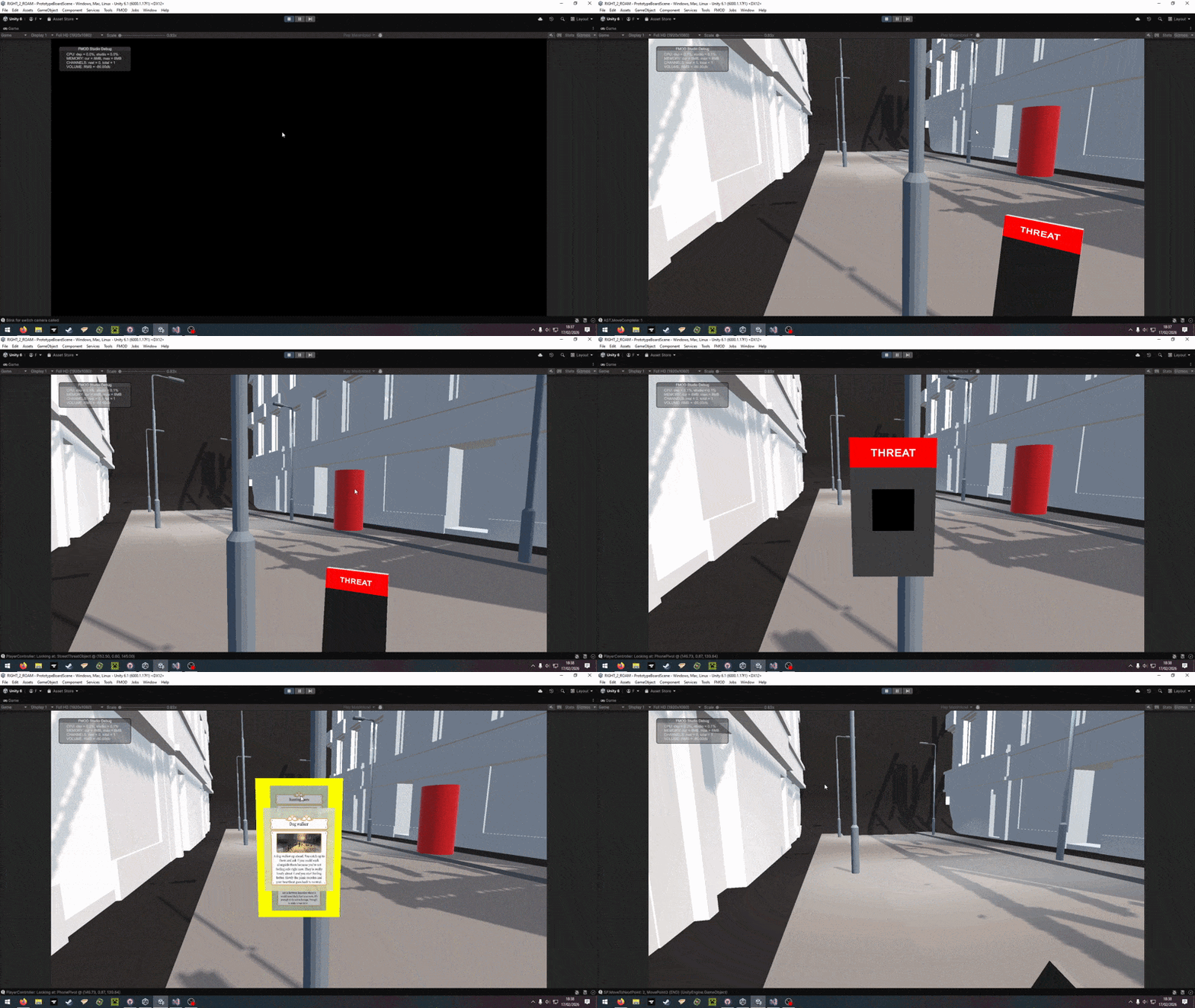
Point-and-Click gameplay
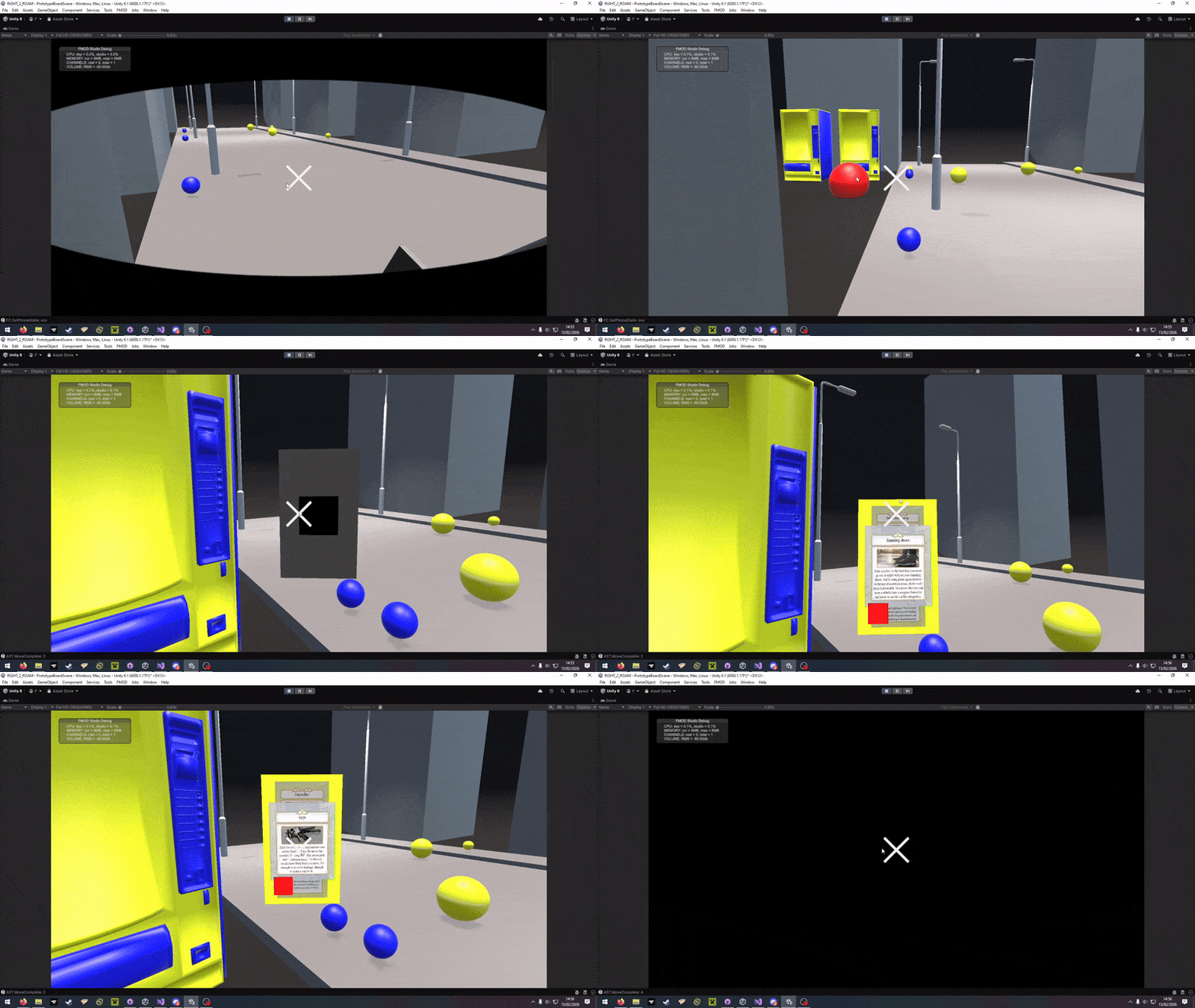
Look gameplay
Later, following client feedback, we restructured the game to have minimal player input; we switched our focus from immersive gameplay to cinematic gameplay. Due to modular design and programming, the scene was easily altered to fit the new designs. The biggest changes were the swap to controller input instead of mouse, requiring a total UI overhaul as we moved away from the original skeuomorphic (reflective of real life) phone concept, and instead opted for a clear adaptive design.

Redesign conceptualisation
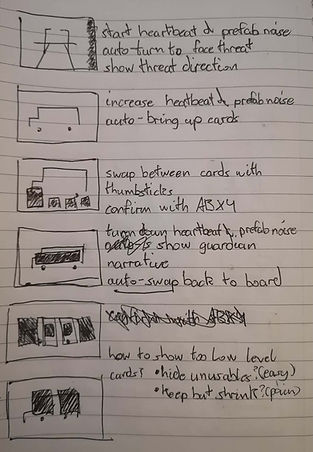
Threat redesign

Sanctuary redesign
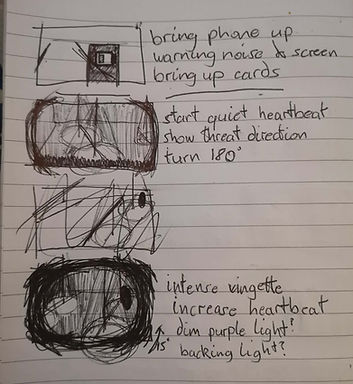
Threat conceptualisation
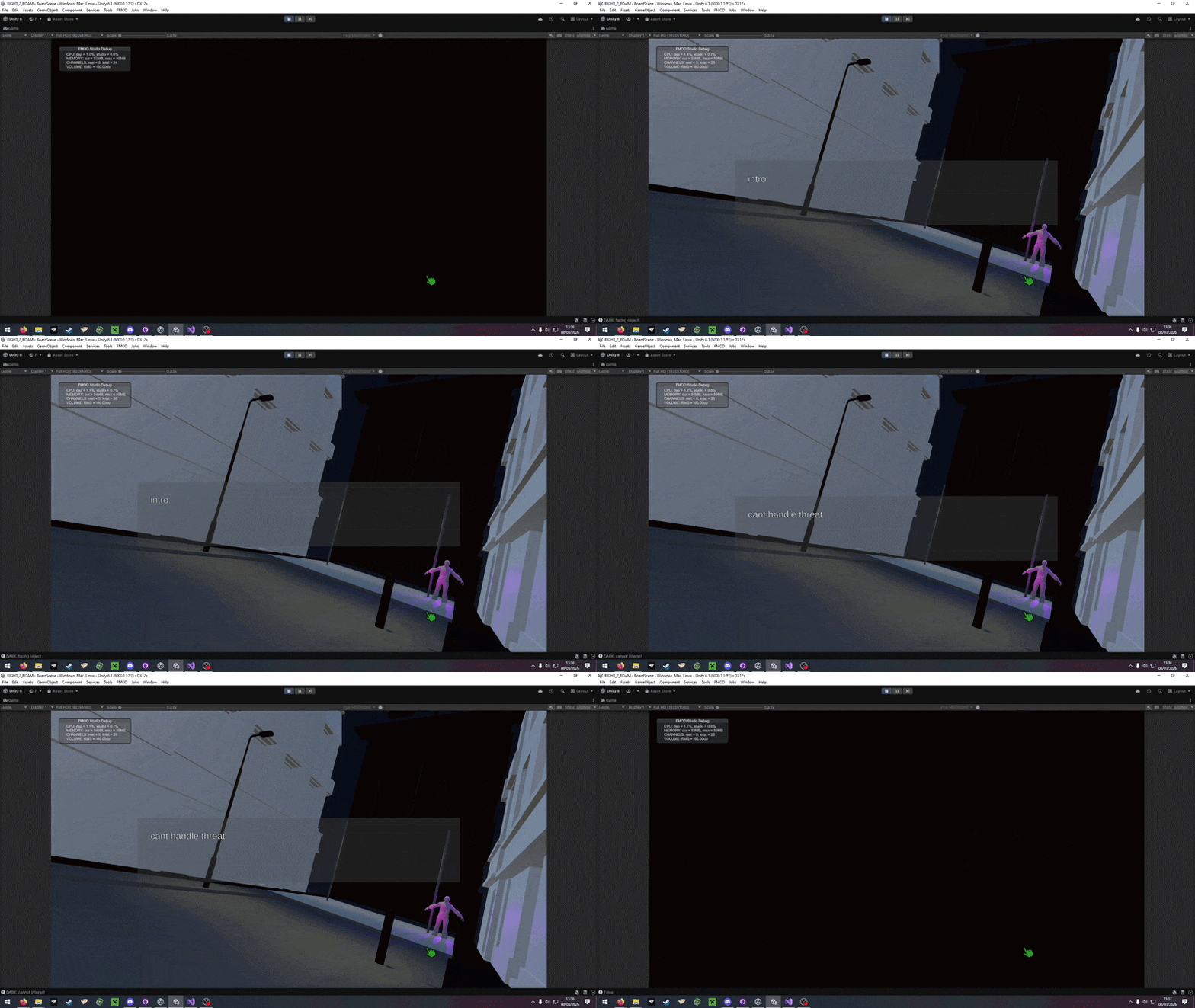
Threat implimentation
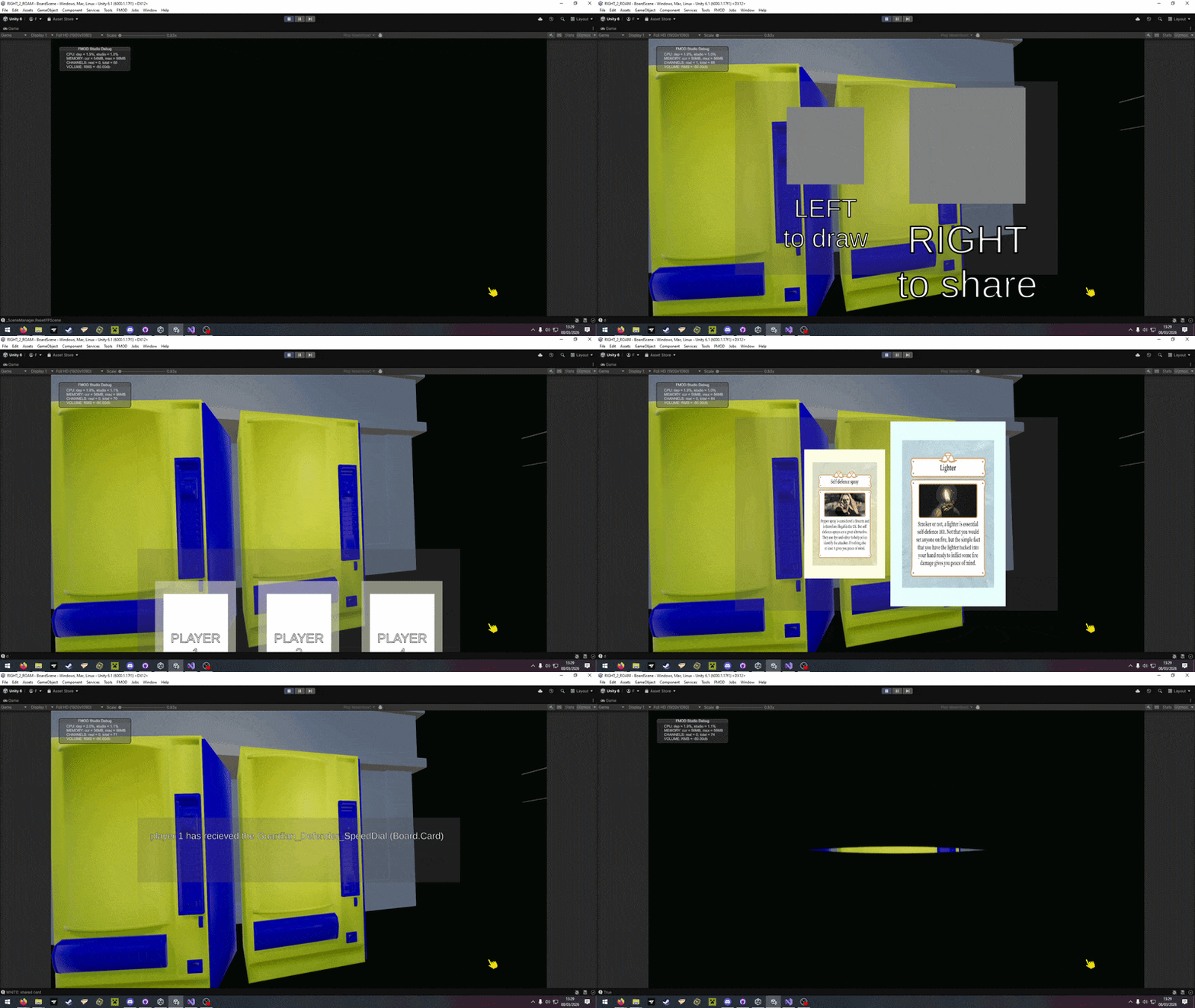
Sanctuary scene
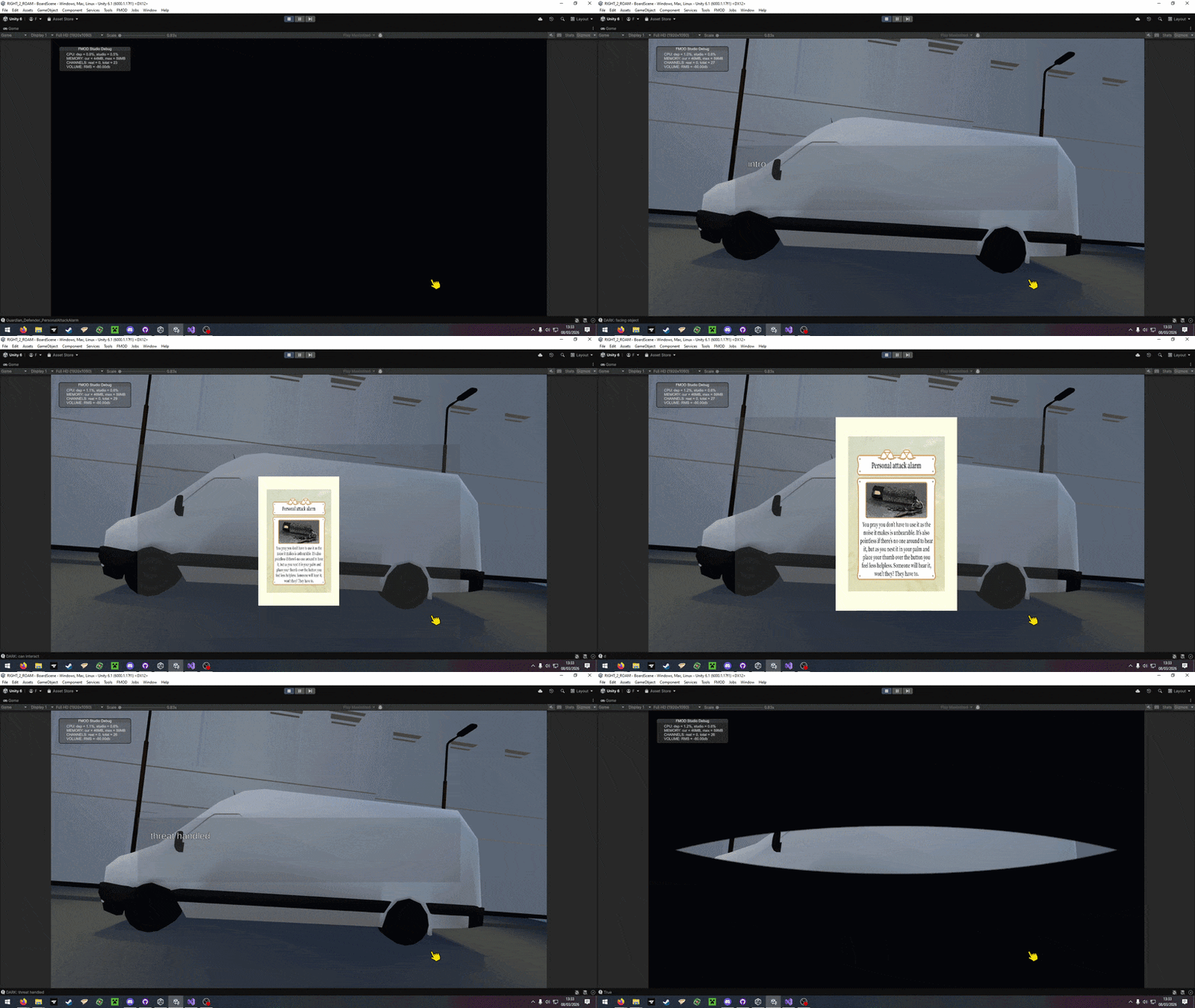
Threat scene
Magic System (2023) / Saffen's Descent (2025)
The magic system was intially concieved as a personal project and was later used as part of the mechanics design module to provide me with a good reason to develop it. In concept, each spell would be made up of three components; the shape which detemined the space a spell occupied; the effect which determined how the spell would act; and the element which would determine what kind of damage and condition the spell deals. It was heavily inspired by elemental combinations found in 'Divinity: Original Sin 2'. The entire system was designed with modularity in mind and turned out to be an excellent proof of concept.
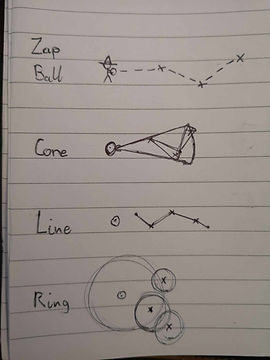
Zap conceptualisation

Gameplay conceptualisation
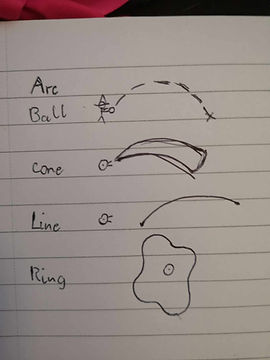
Arc conceptualisation
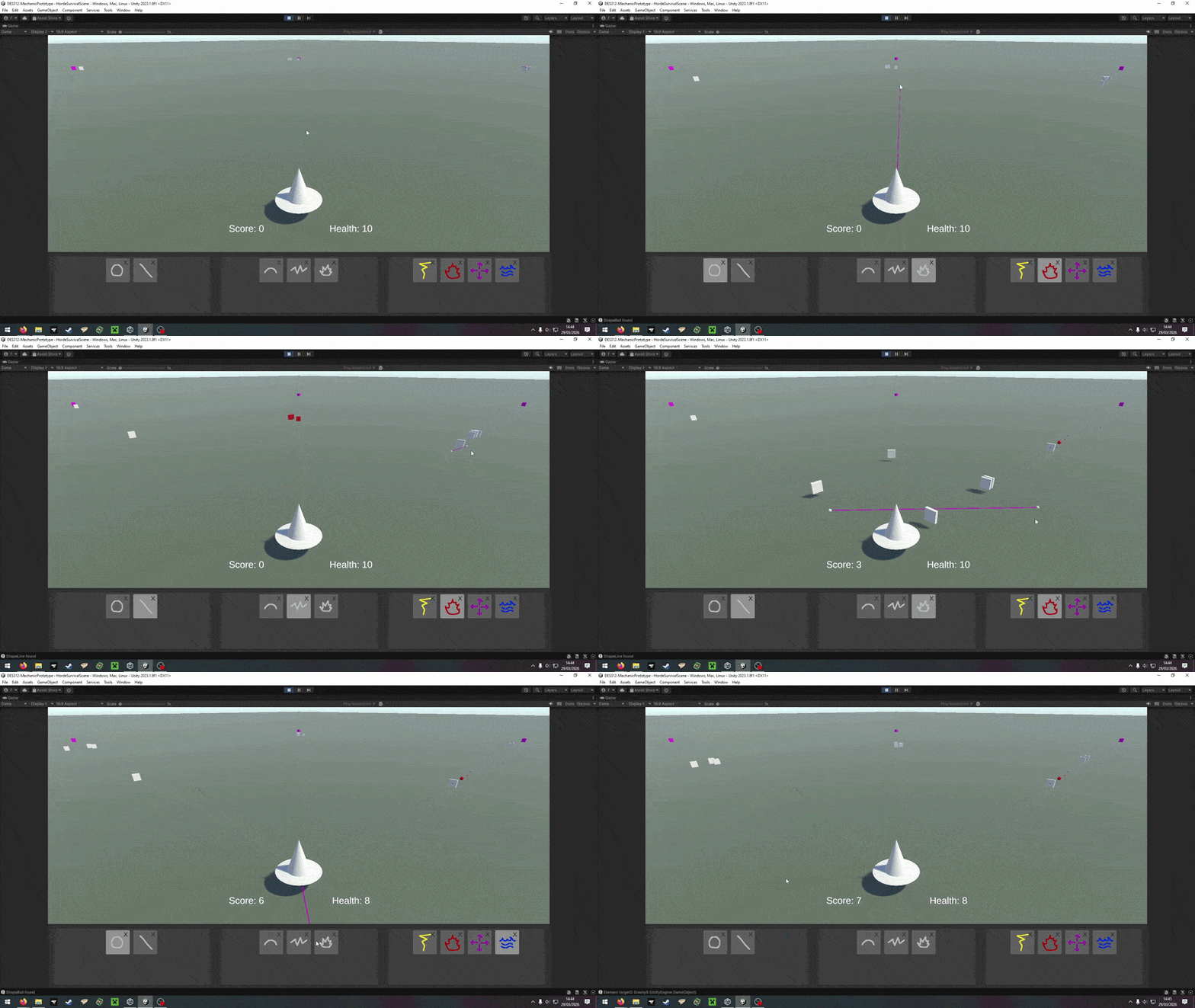
Concept gameplay
The system was then later slotted into my honours project, a first person hack n slash game, as an alternative combat method to melee with the original modularity paying off and easily integrating into the completely different system with minimal adjustments needed. From here, I continued to develop the previously planned spell components and further refined the UI into an adaptive spellbook. The spellbook would display the player's currently available components and assign them random inputs upon collection.
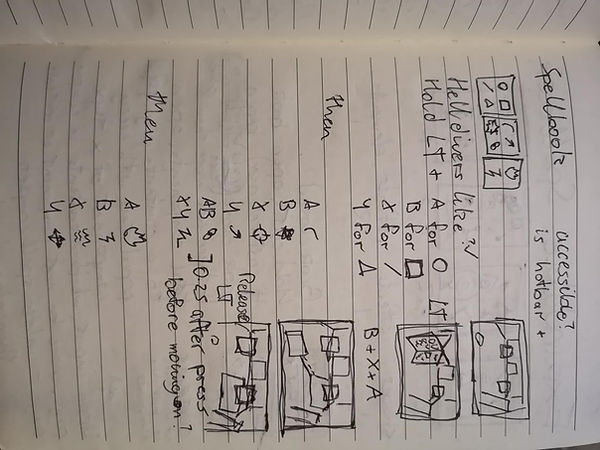

Spellbook conceptualisation
Display conceptualisation
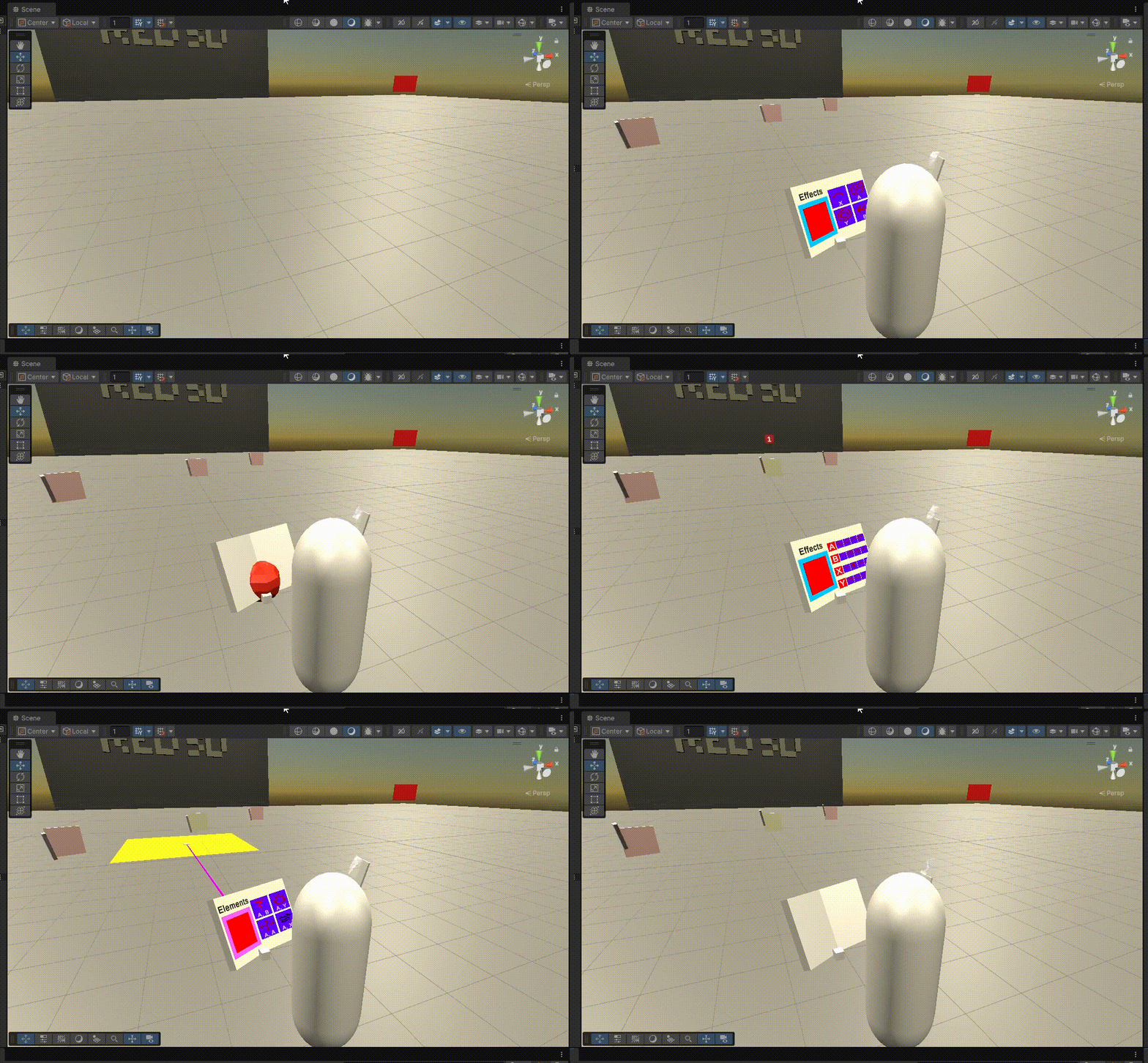
Adaptive spellbook
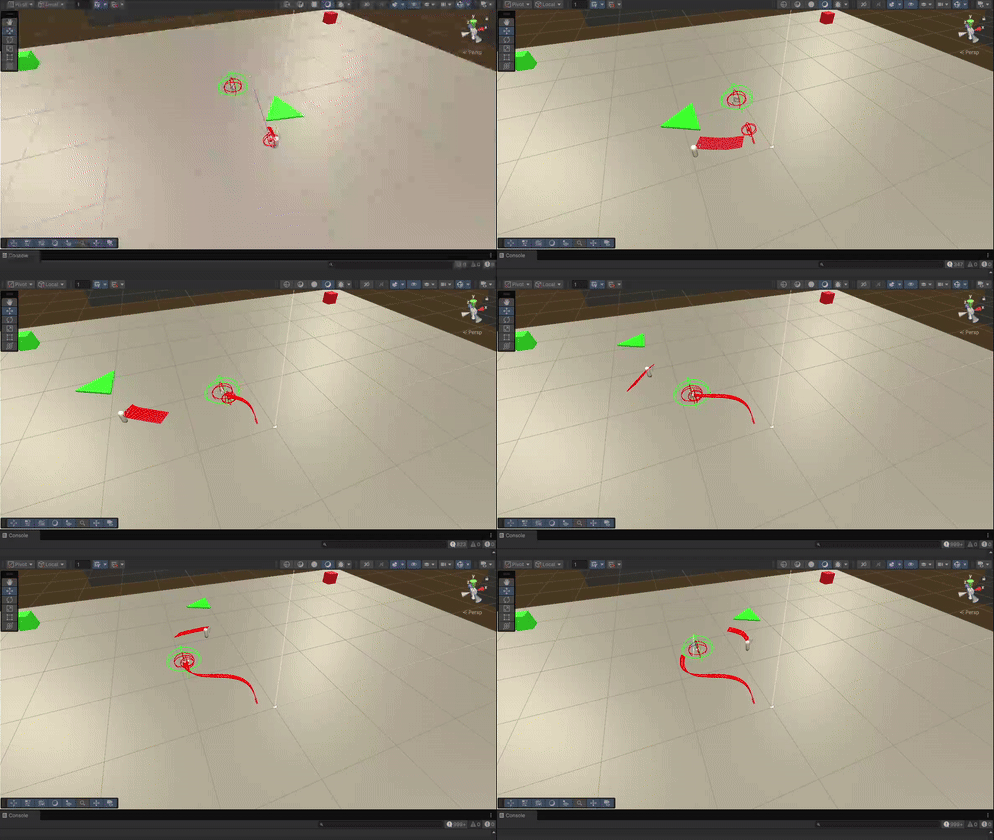
Homing ball
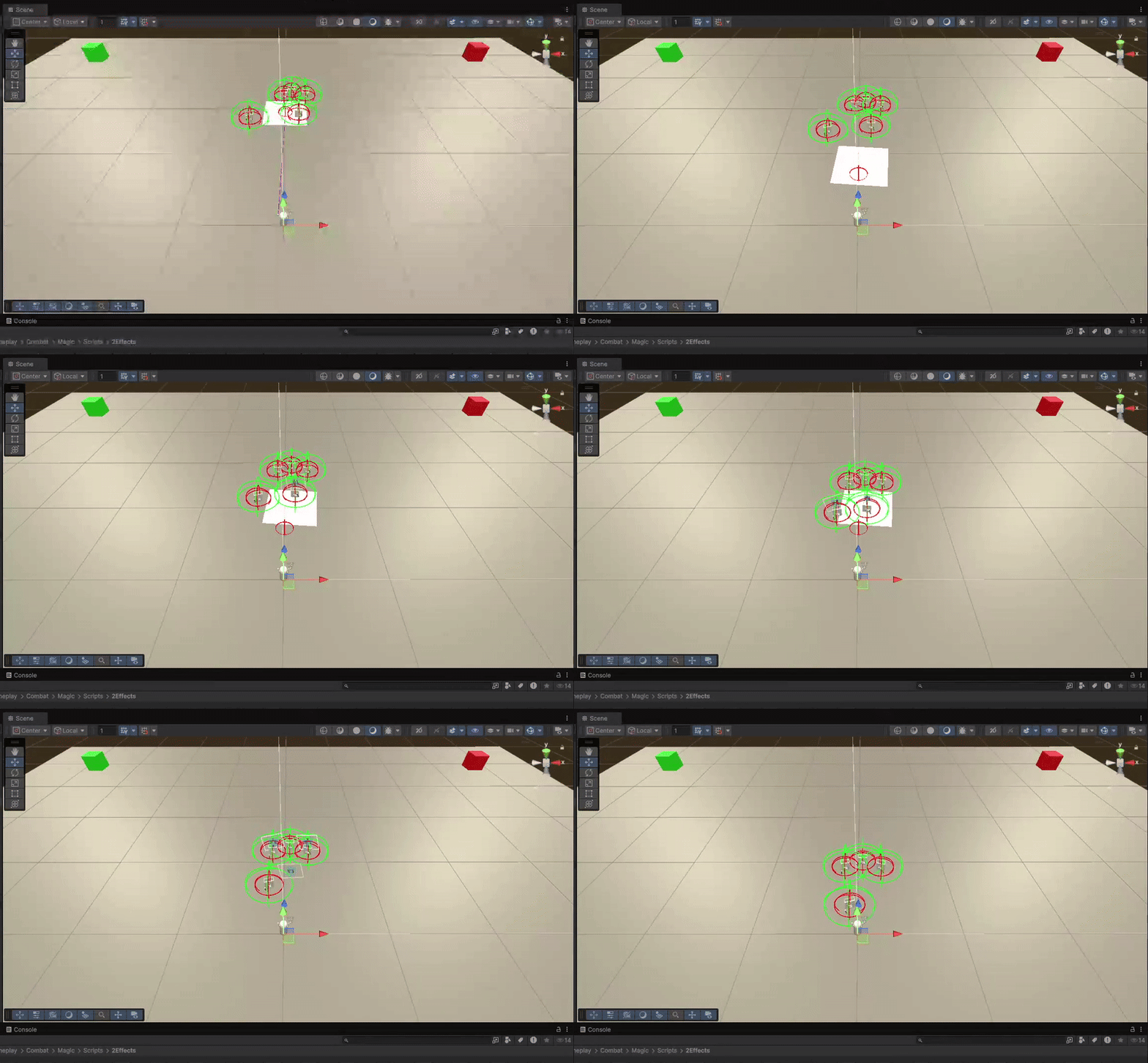
Homing field
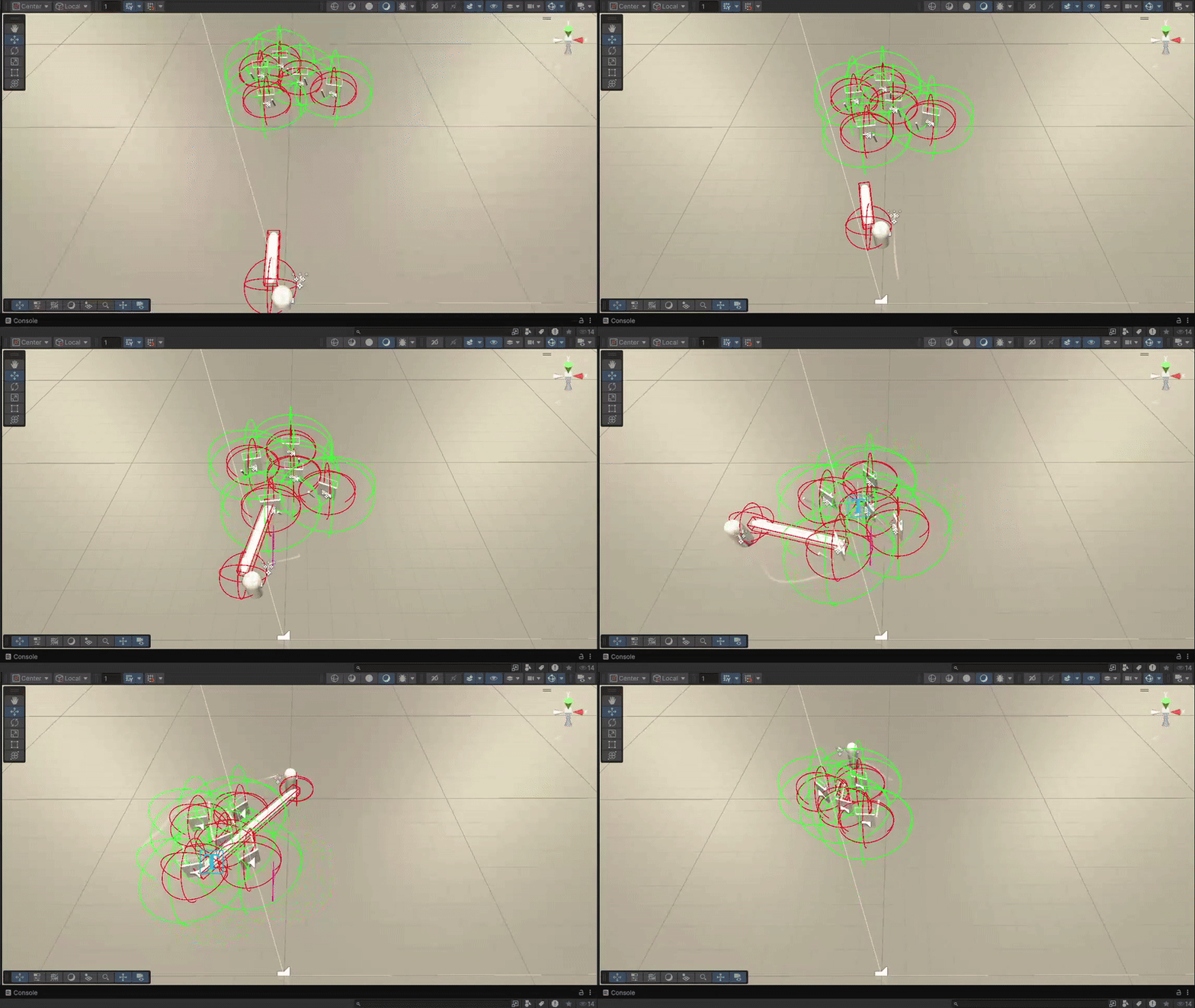
Homing beam
RED 3D (2025)
'RED 3D' was a culmination of each technical skill I have developed over the last ten years including procedural generation, adaptive systems, enemy behaviour, level design, and game feel. The primary goal was to create a game that encouraged replayability in a player, and so the scope is fairly wide. Firstly I identified an enjoyable moment-to-moment experience, which made camera movement and combat mechanics the absolute priority.
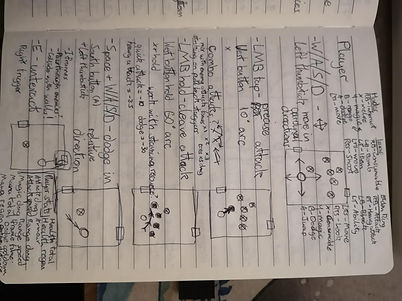
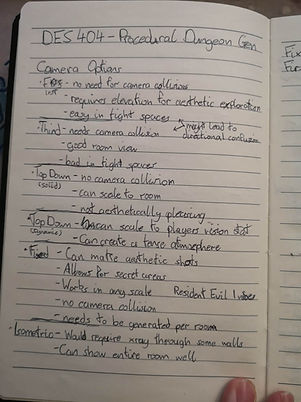

Camera conceptualisation
Melee conceptualisation
Melee refinement
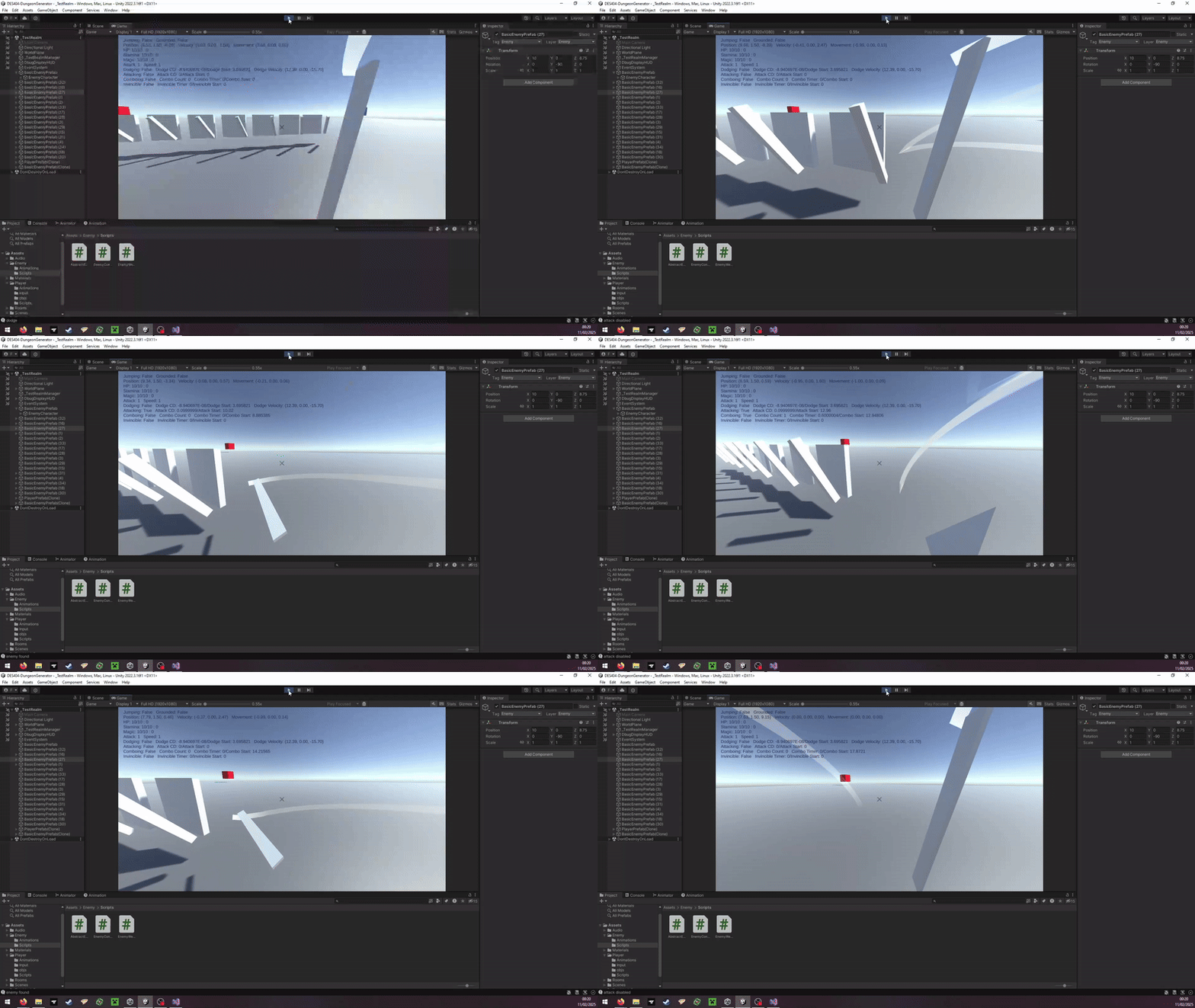
Melee showcase


Once the core moment-to-moment expereince had been locked down, it was time to focus on creating the correct generation for the expereince I wanted to create. This process covered multiple settings with a general high-level overview of what directions could be taken. Eventually, I decided on a dungeon setting which had a handful of large centeral rooms, and dozens of smaller rooms branching off down different corrirors. This ended up coming together in a pretty solid project that set me up with a good skeleton to build onto in the future.


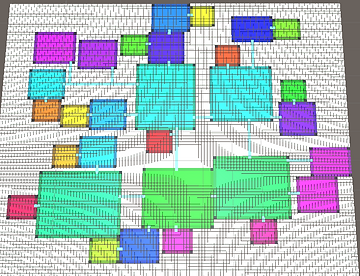
Map generation
conceptualisation
Room generation
conceptualisation
Initial map generation


Final map generation
Pepper's Quest (2026)
'Pepper's Quest' (2026) is a skateboarding puzzle game where the player must manipulate the environment while moving at high speed, requring quick thought and precision. Environmental manipulation came from the players biomechanical seeds which can push, pull, lift, and lower objects in a scene. This game ended up being a rough proof of concept with plenty of direction for improvement and expansion. The toughest part of this project was the maths behind realistic and fun hoverboard parkour.


Physics conceptualisation
Movement design
State conceptualisation
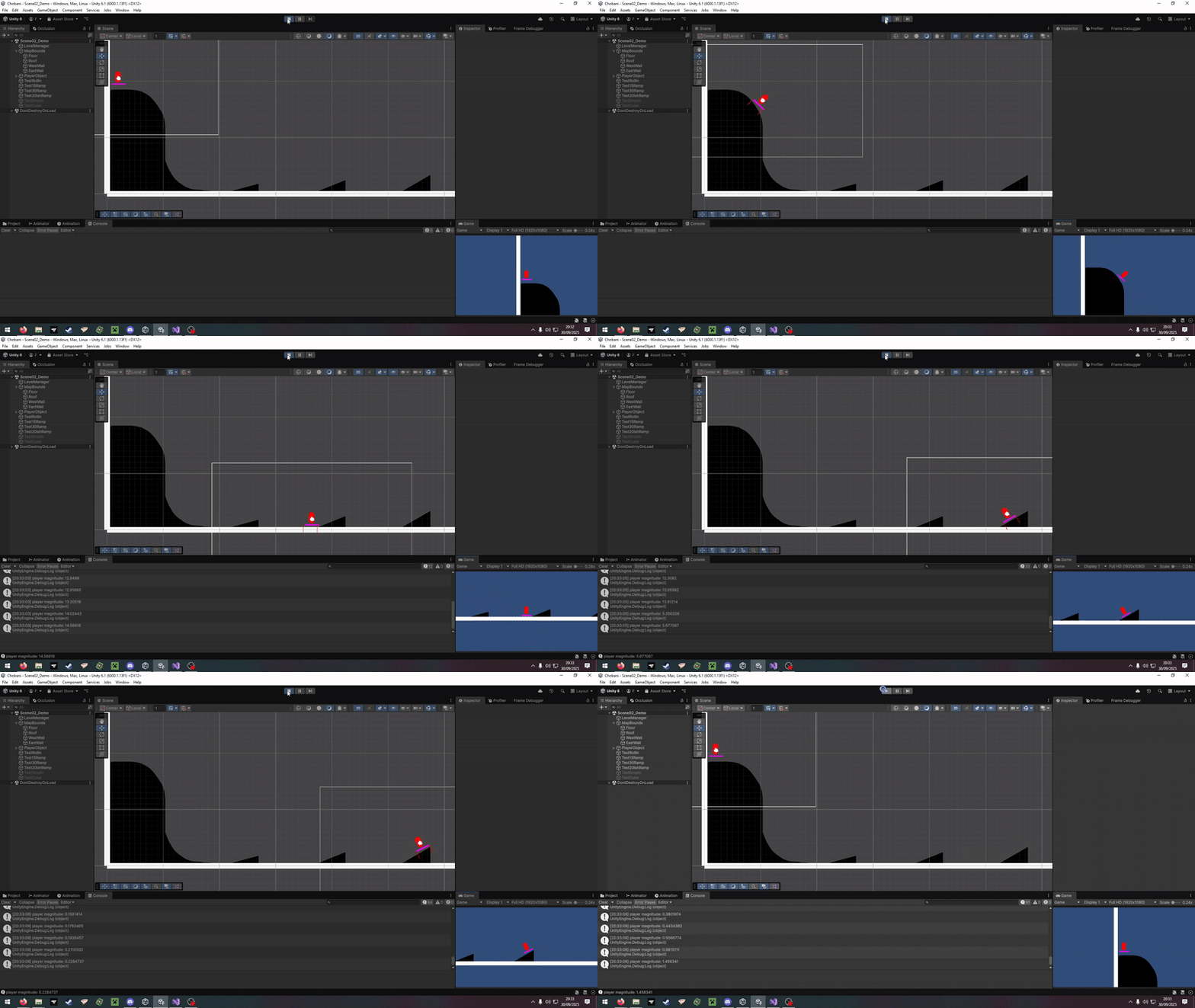
Physics design v1
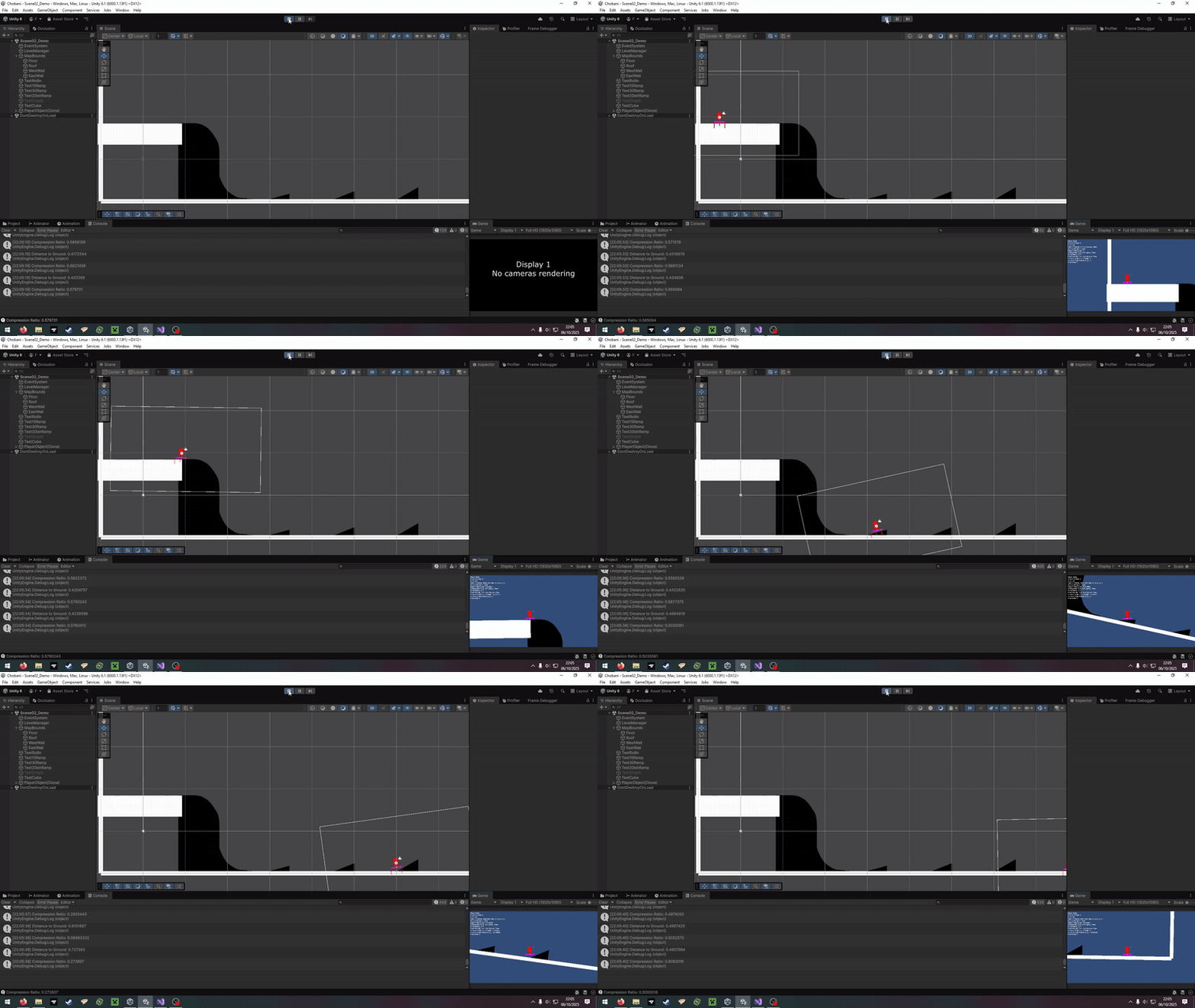
Physics design v2
This was a constant cycle of refining the movement and player experience while our other programmer worked on the seed mecahanic. I ended up doing some additional work such as the UI and a player interaction heatmap.
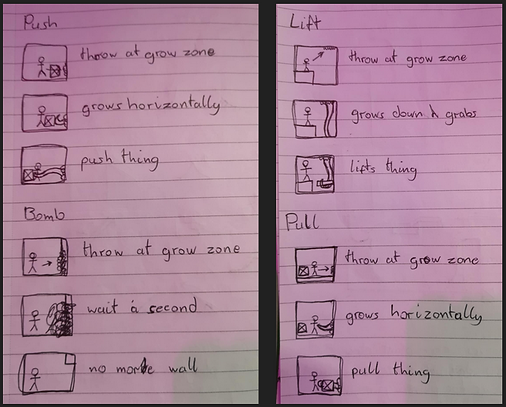
Mechanic conceptualisation
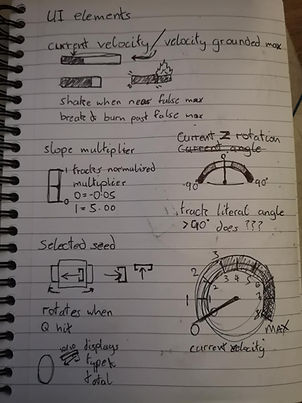
UI design
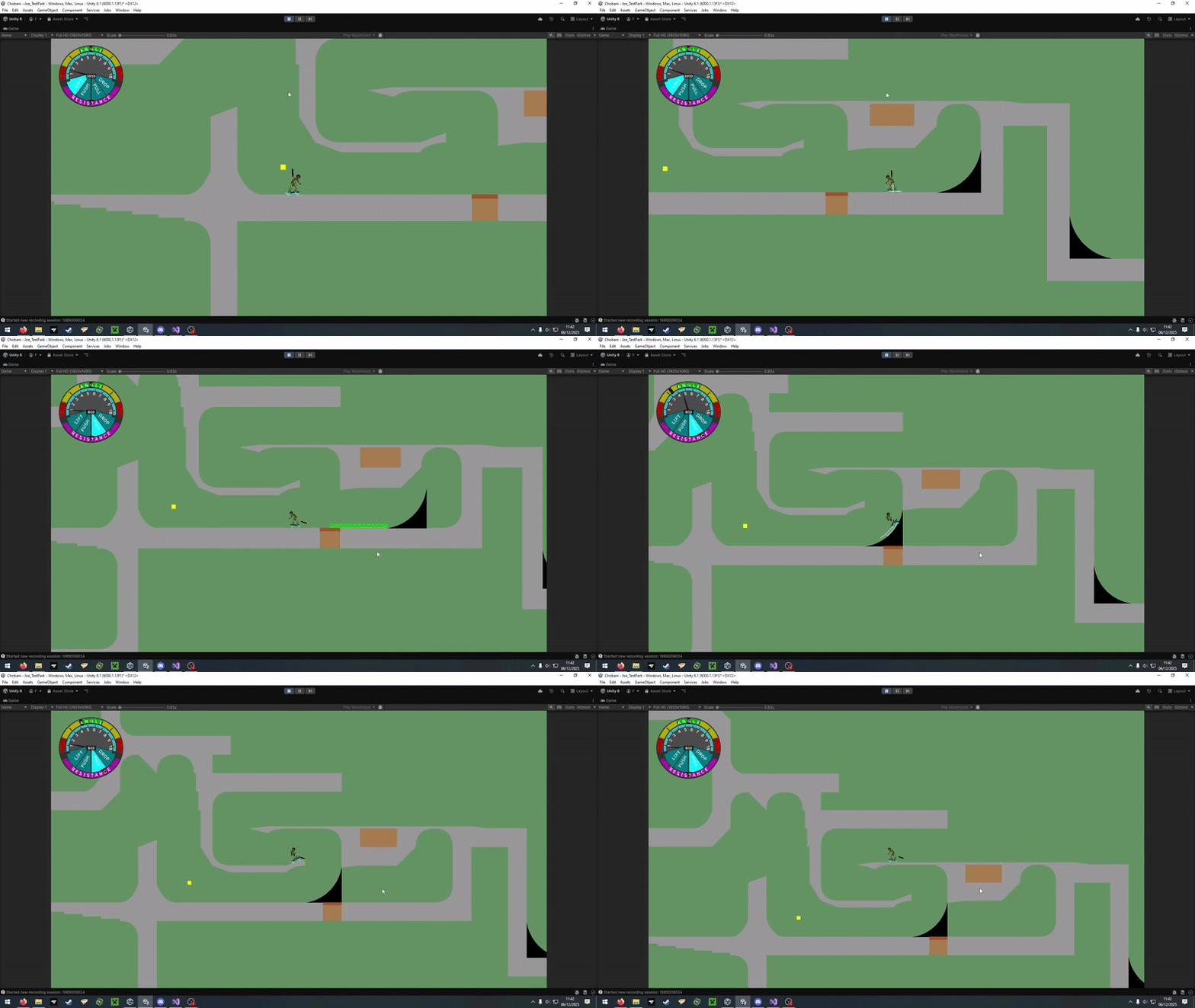
Gameplay